
Slow Cooker Beef Stew with Dehydrated Vegetables

Wondering how to make a comforting beef stew using dehydrated vegetables? This slow cooker recipe is a hearty, hands-off meal that blends tender stewing beef with dehydrated carrots, potatoes, peas, onions, and garlic.
✅ Quick Answer: How do you make beef stew?
To make beef stew, combine freshly cut stewing beef with dehydrated carrots, potatoes, onions, and broth, then slow-cook until tender. No need to pre-soak the dried veggies—just set it and forget it. A fresh veggie swap is also included if you prefer to use what's on hand.
The beauty of this recipe is that your dehydrated vegetables absorb the flavorful beef stock as everything slowly cooks together. With very little preparation, you'll have a comforting, homemade stew ready to enjoy.


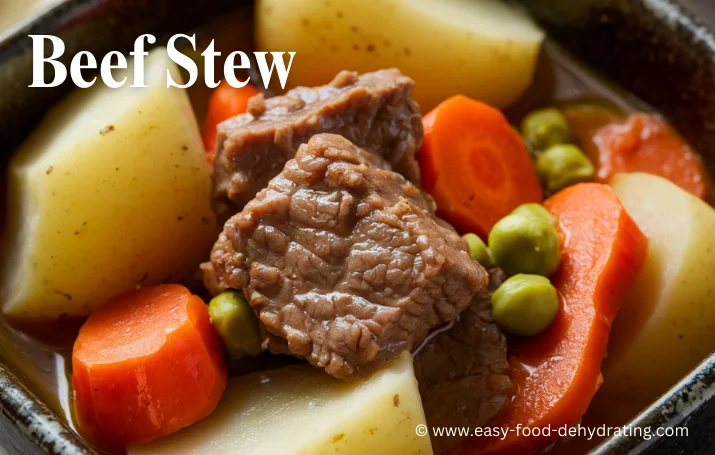
Beef Stew Recipe
Ingredients
- 1/2 cup dehydrated carrots
-
1/2 cup dehydrated potatoes, sliced
- 1/4 cup dehydrated onion
- 1/4 cup dehydrated peas
- 3 tablespoons dehydrated celery
- 2 slices dehydrated elephant garlic, crumbled
- 3/4 to 1 lb. fresh stewing beef (preferably chuck roast, cut into cubes; round steak also works)
-
3 cups beef stock (Better than Bouillon is excellent!)
- 2 tablespoons plain flour, mixed with 1/4 cup cold water
- 1/2 teaspoon dried Italian herbs, or to taste
- 1 tablespoon Worcestershire Sauce
- 1 tablespoon tomato paste (optional, but really adds depth of flavor and color!)
- 2 tablespoons tomato ketchup
salt* and pepper to taste
I make this beef stew in a slow cooker—how easy is that?
NOTE: If you wish to use ALL fresh ingredients, see the items to use a little further down the page too.
Instructions
- Add all the dehydrated vegetables, garlic, and dried Italian herbs to the slow cooker.
- In a large jug, combine the beef stock, Worcestershire sauce, ketchup, and tomato paste. Stir well.
- In a separate cup, whisk the flour with 1/4 cup cold water until smooth. Stir this mixture into the stock.
- Pour the stock mixture over the dehydrated vegetables.
- Add the fresh stewing beef, cutting any large pieces into evenly sized chunks. For extra flavor, brown the beef in a hot skillet first, if desired.
- Cover and cook on LOW for approximately 7–8 hours, or until the beef is fork-tender and the vegetables are fully rehydrated. Avoid repeatedly lifting the lid during cooking.
Food Safety Tip: Always use fresh or fully thawed beef in your slow cooker—never frozen beef. Frozen meat can take too long to reach a safe cooking temperature. Thaw frozen beef in the refrigerator before preparing your stew.
*IF you need to add salt, do so, BUT be careful NOT to over-salt as the bouillon has salt in it.
Servings: 6 servings

Want to Use Fresh Ingredients Instead of Dehydrated?
Prefer to use fresh veggies? See the ingredient swap right below!

Swap the dehydrated veggies for fresh ingredients:
- 2 medium carrots (washed, peeled, sliced)
- 2 medium potatoes (washed, peeled, sliced)
- ½ large onion (peeled, diced)
- 1 celery stalk (sliced)
- 2 slices of fresh elephant garlic (or 1 ½ cloves of regular garlic)
- 1/2 cup fresh or frozen peas
What Ingredients Go Into a Classic Beef Stew?
A traditional beef stew includes beef, potatoes, carrots, onions, and celery, all simmered in a rich, flavorful broth. It’s typically thickened with flour or cornstarch and served with crusty bread or warm biscuits.
How to Thicken Beef Stew for a Rich, Savory Gravy
If your slow cooker beef stew has more liquid than you'd like, don't worry! It's easy to turn that extra stock into a rich, savory gravy.
- Carefully ladle some of the excess stock from the slow cooker into a small saucepan.
- In a separate cup, mix 1 tablespoon of cornstarch with 2 tablespoons of cold water until smooth.
- Bring the stock to a gentle simmer, then stir in the cornstarch mixture.
- Continue stirring and simmering for 1–2 minutes, until the gravy thickens.
- Pour the thickened gravy back into your beef stew and stir gently to combine.
Tip: If you'd prefer to use flour instead of cornstarch, whisk 1 tablespoon of flour with 2 tablespoons of cold water, then simmer the gravy for several minutes to cook out the raw flour taste.
Why Browning Your Beef First Adds Bold Flavor
If you have a few extra minutes, brown your beef in a hot skillet before adding it to the slow cooker. Searing creates a delicious, browned crust through the Maillard reaction, adding a deeper, richer flavor to your stew. It's an optional step, but one that's well worth doing!
According to J. Kenji López-Alt, a 2023 James Beard Award-winner and author of The Food Lab and The Wok, cutting beef into larger chunks before searing makes it easier to brown evenly. Once browned, cut it into smaller cubes for the perfect stew texture. Great tip, Kenji!
What Are the Best Cuts of Beef for Stew?
For a rich, hearty beef stew, choose tougher, budget-friendly cuts that become tender during slow cooking.
- Chuck roast: My top recommendation! Its marbling and connective tissue make it particularly good for slow cooker beef stew.
- Round steak: A leaner alternative that also works for stew, although it can become drier if overcooked.
As the beef cooks slowly, collagen in the connective tissue breaks down into gelatin, helping create tender meat and a rich, satisfying broth.
What to Expect When You Get Home to This Stew

This is what your beef stew will look like with the dehydrated veggies, above.

With the meat and stock added...

What to expect:
- The dehydrated vegetables will have absorbed the flavorful beef stock and become tender.
- The beef should be fork-tender, with a rich, savory broth surrounding it.
- A delicious, homemade meal will be waiting for you, ready to serve!
Slow cookers are perfect for simmering stews all day. If you’re looking for one, check out these options:
Recommended Slow Cookers for Easy Meal Prep

Crock-Pot 6-Quart Cook & Carry
- Programmable Slow Cooker with Digital Timer
- Digital countdown control from 30 minutes to 20 hours
- Easy-to-use locking lid

Hamilton Beach 6-Quart Set & Forget Slow Cooker
- Hamilton Beach Portable Slow Cooker
- Patented Temperature Probe
- Clip-tight gasket lid prevents messy spills when transporting

Hamilton Beach 5-Quart Programmable Slow Cooker
- Hamilton Beach Portable 5-Quart Digital Programmable
- Full-grip handles make carrying heavy meals easier
- 2 choices for easy, automatic cooking

Cuisinart PSC-350 3-1/2 Quart Programmable Slow Cooker
- Cuisinart 3-1/2 Quart Programmable Slow Cooker, Silver
- Touchpad control, 24-hour LCD countdown timer
- 4 Cooking Modes
As an Amazon Associate, I earn from qualifying purchases—this does not affect the price you pay. Read full disclosure.
Want More Meals Made With Dehydrated Food?

My collection of
20 Taste-Tested Easy Recipes shows you how to turn dehydrated ingredients into meals your family will genuinely want to eat.

Recipes include pizza, shepherd’s pie, beef stew, cauliflower soup and mash, carrot soup, carrot cake, cranberry-pineapple pie, and more.
Fresh-ingredient amounts are included, too.
Try This Irish Stew Twist on Classic Beef Stew

Fancy giving your beef stew an Irish twist? Traditionally, Irish stew is made with lamb or mutton rather than beef, along with potatoes, onions, and sometimes carrots.
For a variation on this slow cooker recipe, try using cubed lamb shoulder instead of beef. You can also add a splash of Guinness stout for a deeper, malty flavor, although traditional Irish stew doesn't require it.
Serve with crusty bread to soak up that delicious gravy!
What’s in Brunswick Stew – A Southern Favorite
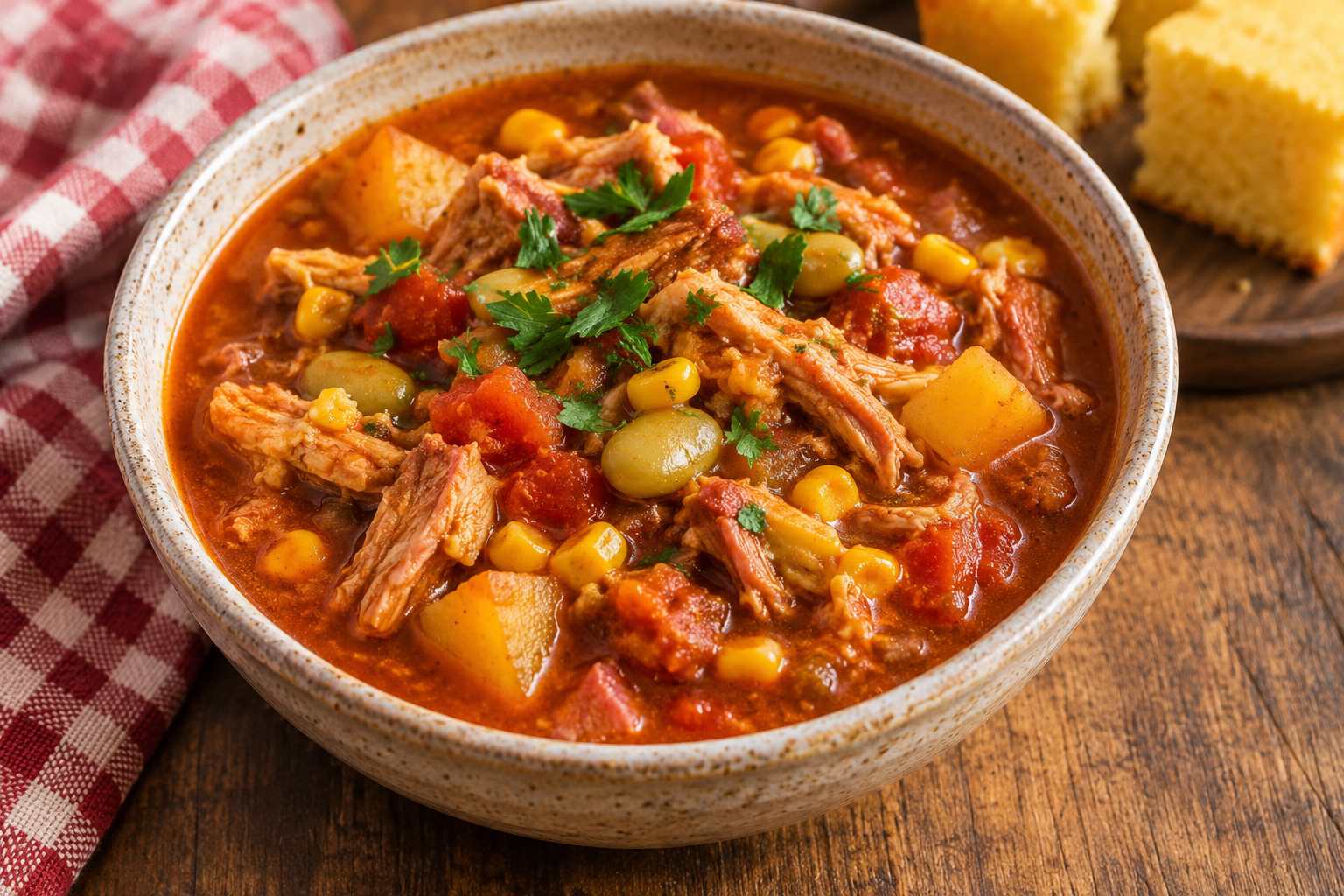
Brunswick stew is a hearty Southern favorite, traditionally made with meat, vegetables, and a rich, tomato-based broth. Modern versions often feature chicken, pork, or beef, along with corn, lima beans, potatoes, and tomatoes.
Originally associated with outdoor cooking over an open fire, Brunswick stew is now commonly prepared on the stovetop or in a slow cooker. It's another delicious way to turn simple ingredients into a satisfying meal!
If you like stew, I'm betting that you'd love Black Bean Soup too. Go check it out!
Frequently Asked Questions about Beef Stew
Do I need to rehydrate the vegetables before adding them to beef stew?
Do I need to rehydrate the vegetables before adding them to beef stew?
No! There's no need to pre-soak dehydrated vegetables when making this slow cooker beef stew. The carrots, potatoes, onions, peas, and celery will absorb moisture from the beef stock as they cook. Just make sure there's enough liquid in the slow cooker, and check that the vegetables are fully tender before serving.
Can I make this beef stew on the stovetop instead of a slow cooker?
Can I make this beef stew on the stovetop instead of a slow cooker?
Yes! Combine the ingredients in a heavy-bottomed pot or Dutch oven, bring to a gentle simmer, then cover and cook over low heat for approximately 1½–2½ hours, or until the beef and vegetables are tender. Stir occasionally and add extra beef stock if needed to prevent the stew from drying out.
What are the best cuts of beef for slow cooker stew?
What are the best cuts of beef for slow cooker stew?
Chuck roast is my top choice because its marbling and connective tissue help produce tender, flavorful beef during slow cooking. Round steak is another option, although it's leaner and can become drier if overcooked. Precut stewing beef also works well.
Can I freeze leftover beef stew?
Can I freeze leftover beef stew?
Absolutely! Divide leftover beef stew into shallow containers and refrigerate or freeze within 2 hours of cooking. Store in airtight, freezer-safe containers for best quality within 2–3 months. Thaw overnight in the refrigerator and reheat thoroughly to 165°F (74°C).
How can I thicken beef stew if it turns out too watery?
How can I thicken beef stew if it turns out too watery?
Mix 1 tablespoon of cornstarch with 2 tablespoons of cold water until smooth. Stir the mixture into some simmering stock from your stew and cook for 1–2 minutes, until thickened. Return the gravy to the slow cooker and stir gently. See the “How to Thicken Beef Stew for a Rich, Savory Gravy” section above for step-by-step instructions.
What fresh vegetable swaps can I use instead of dehydrated?
What fresh vegetable swaps can I use instead of dehydrated?
You can substitute 2 medium carrots, 2 medium potatoes, ½ large onion, 1 celery stalk, ½ cup fresh or frozen peas, and fresh garlic for the dehydrated vegetables. See the fresh-ingredient substitutions earlier in this recipe for the full details.
How do I store leftover stew in the fridge?
How do I store leftover stew in the fridge?
Transfer leftover stew into shallow, airtight containers and refrigerate within 2 hours of cooking. Store at 40°F (4°C) or below for up to 3–4 days. Reheat leftovers thoroughly to 165°F (74°C). The flavors often develop overnight, making the stew even tastier the next day!
Can I add wine or beer for extra flavor?
Can I add wine or beer for extra flavor?
Yes! About ½ cup of red wine or dark beer adds a deeper, richer flavor. Just reduce the beef stock slightly to balance the liquid.
Before you go, grab the free 5 Dried Food Recipes That Actually Taste Great PDF below—featuring carrot soup, minestrone, split pea soup, spicy beef jerky, and even banana cinnamon rolls.

5 Free Dried Food Recipes
That Actually Taste Great
Put your dried food to delicious use!
Five very different recipes.
Not one dull bite...
5 Free Dried Food Recipes
That Actually Taste Great
Put your dried food to delicious use!
Five very different recipes.
Not one dull bite...
More From Easy Food Dehydrating
Carrot Cake with Dehydrated Carrots: Moist and Flavorful
Bake a moist carrot cake with dehydrated or fresh carrots. Includes rehydrating instructions, walnuts, cinnamon, and rich cream cheese frosting.
Bake Your Own Bread at Home: Easy, Foolproof Recipe
Bake your own bread at home with a simple, foolproof recipe—no machine needed. Soft, golden loaves for about $1 a loaf.
Tasty Tuna Fish Soup with Dehydrated Veggies
Make tasty tuna fish soup with dehydrated veggies—fast, hearty, and perfect for lunch or dinner.
Carrot Soup with a Tangy Twist: Bright, Creamy & Easy
Make silky carrot soup in 30 minutes. A splash of orange juice adds bright, tangy flavor—fresh or dehydrated carrots.
Lentil Soup with Dehydrated Vegetables - Easy Recipe
Cozy up with hearty lentil soup made from dehydrated veggies—simple, protein-rich, and slow-cooked to perfection!
Easy Chicken Salad: Simple, Creamy & Versatile
Creamy, easy chicken salad with pantry staples. Serve on bread, greens, or crackers—fresh or dehydrated veggies both work.
Before You Go...
If you enjoyed this page, tap the ❤️ in the lower right-hand corner. It saves this page to your Grow bookmarks so you can find it again later.
You’ll also see quick share buttons to copy the link, post to Facebook, or save it straight to Pinterest.

Test Your Food-Dehydrating
Know-How
Choose a food, make the right preparation, drying, and storage decisions—and see how many stars you can earn!
Play “Save the Harvest”Test Your Food-Dehydrating
Know-How
Choose a food, make the right preparation, drying, and storage decisions—and see how many stars you can earn!
What We Mean by “Dehydrate”
Here at Easy Food Dehydrating, “dehydrate” always means using an electric food dehydrator — the easy, reliable way to dry food at home.
What We Mean by “Dehydrate”
Here at Easy Food Dehydrating, “dehydrate” always means using an electric food dehydrator — the easy, reliable way to dry food at home.


LATEST READS on EFD


-
Pawcute Mason Jar Vacuum Sealer Review + FoodSaver Fix
Nov 03, 26 01:07 PM
 My hands-on Pawcute Mason Jar Vacuum Sealer review, with a video demonstration, FoodSaver V2240 hose workaround, and tips on choosing the manual pump kit.
-
Liver Dog Treats: Healthy Homemade Snacks for Dogs
Nov 03, 26 11:54 AM
 Make homemade liver dog treats with beef or chicken liver. Learn safe cooking temperatures, dehydrating tips, dryness checks, and proper storage.
-
Slow Cooker Beef Stew with Dehydrated Vegetables
Nov 03, 26 10:58 AM
 Make hearty slow cooker beef stew with dehydrated vegetables—no pre-soaking needed! An easy, comforting dinner with tender beef and rich gravy.


Unlock the Secrets of Food Dehydrating... from Fruit 'n' Veg to Doggie Dinners!




AFFILIATE DISCLOSURE: I am an Affiliate for Amazon, and other sellers of quality merchandise. Should you purchase an item through their links, I may receive compensation. The price you pay does not increase. THANKS for your support! Read full disclosure here.
easy FOOD DEHYDRATING: Making food preservation simple since 2010. I show you how to keep your food pantry full, whatever the reason or season!

HOME ARTICLES CONTACT ADVERTISING DISCLOSURE DISCLAIMER FAQ PRIVACY SITEMAP TERMS TESTIMONIALS
ALL CONTENT COPYRIGHT © 2010-2025 • ALL RIGHTS RESERVED REGARDLESS OF LINKS OR ATTRIBUTIONS.
POWERED BY SBI! (SOLO BUILD IT!)
As an Amazon Associate, I earn from qualifying purchases.