- Home
- How to Dehydrate Vegetables
- How to Dehydrate Tomatoes

How to Dehydrate Tomatoes and Make Tomato Powder or Sauce

Drying tomatoes is one of the easiest—and tastiest—ways to preserve your harvest. Once dehydrated, their bold, tangy flavor becomes concentrated, making them perfect for sauces, soups, and snacks. Best of all, you’ll never need to rely on pricey store-bought sun-dried tomatoes again.
✅ Quick Answer: How do you dehydrate tomatoes?
Slice tomatoes about ¼–⅜ inch thick and arrange them in a single layer on dehydrator trays. Dry at 140°F (60°C), checking regularly until the pieces are leathery with no visible or squeezable moisture. Drying may take 6–12 hours or longer, depending on the tomatoes and your dehydrator. For tomato powder, continue drying until the pieces are completely brittle. Cool thoroughly before storing in airtight containers.
Whether you’re using a dehydrator or a regular oven, this guide shows you how to slice, dry, and store tomatoes so you can enjoy that rich summer flavor all year long.

Step-by-Step Guide: How to Dehydrate Tomatoes at Home
- Choose and wash your tomatoes. Roma, plum, cherry, and grape tomatoes are excellent choices because they're flavorful and generally have less watery flesh. Wash thoroughly under running water and remove the cores and any damaged areas.
- Slice the tomatoes. Cut larger tomatoes into slices approximately ¼–⅜ inch thick. Halve cherry and grape tomatoes, or quarter larger ones. You can leave the skins on, but if you prefer to remove them, dip the tomatoes in boiling water for about 30 seconds, transfer to cold water, and peel.
- Arrange on dehydrator trays. Place tomato slices in a single layer without overlapping, leaving room for air circulation. Position cherry tomato halves cut side up to reduce dripping.
- Set the dehydrator to 140°F (60°C). Drying typically takes approximately 6–12 hours for thinner slices, but larger pieces and particularly juicy tomatoes may need 10–18 hours or longer. Follow your dehydrator manufacturer's instructions where appropriate.
- Check and rotate. Turn larger pieces as needed and rotate trays if your dehydrator dries unevenly. Begin checking for doneness as the tomatoes shrink, and watch more closely toward the end to prevent scorching.
- Test for dryness. Tomatoes intended for cooking can be dried until leathery or slightly pliable, with no sticky or squeezable moisture. For tomato powder, continue drying until the pieces are crisp and brittle enough to grind easily.
- Cool before storing. Allow the tomatoes to cool completely before transferring them to clean, dry, airtight containers.
Remember: Drying times are estimates, not guarantees. Tomato variety, slice thickness, humidity, and dehydrator performance all affect how long drying takes.
Move the slider to convert temperatures instantly.
Move the slider to convert temperatures instantly.
No Dehydrator? How to Dehydrate Tomatoes in the Oven
Yes, you can dry tomatoes in a conventional oven, provided it can maintain a low enough temperature. A food dehydrator is generally more efficient, but an oven with a suitable low-temperature setting can work.
What you'll need:
- Fresh, ripe tomatoes
- Oven-safe drying racks or parchment-lined baking sheets
- An oven thermometer
- Optional dried herbs, such as oregano, basil, or thyme
Instructions:
- Check your oven temperature. Ideally, your oven should maintain approximately 140–150°F (60–66°C). Use an oven thermometer to verify the actual temperature. If your oven's lowest setting is 170°F or higher, a food dehydrator is the better choice for controlled drying.
- Prepare the tomatoes. Wash, core, and slice approximately ¼–⅜ inch thick. Halve smaller cherry or grape tomatoes. Remove skins if preferred.
- Arrange the slices. Place tomatoes in a single layer on drying racks or parchment-lined baking sheets, leaving space between pieces. Sprinkle lightly with dried herbs if desired.
- Allow moisture to escape. Proper airflow is essential. Some conventional oven-drying methods require leaving the door slightly open, but only do this if your oven manufacturer permits it. Never prop open an oven door where children or pets could be at risk.
- Dry slowly and check regularly. Turn the tomatoes as needed and rotate trays for even drying. Oven drying can take considerably longer than using a dehydrator. Begin checking after several hours, but judge doneness by texture rather than the clock.
- Check for dryness. Tomatoes should be leathery or crisp, depending on their intended use, without remaining sticky or moist areas. For powder, dry until completely brittle.
- Cool and store. Let the tomatoes cool completely before packaging in airtight Mason jars or suitable food-storage bags.
Tip: If your oven cannot maintain a low, steady temperature with adequate airflow, it may cook the tomatoes rather than dehydrate them properly.
Make Your Own Sun-Dried-Style Tomatoes
You don't need sunshine to enjoy that wonderful, concentrated tomato flavor! Dehydrated tomatoes make a delicious alternative to the sun-dried tomatoes sold in grocery stores.
For an Italian-style treat, add your dried tomatoes to a little olive oil shortly before serving. You can also sprinkle them with dried herbs for extra flavor.
Suggested herbs to try:
- Basil: A classic pairing that complements the tomatoes' natural sweetness.
- Oregano: Adds an earthy, savory flavor that's perfect for pasta and pizza.
- Thyme: Offers a subtle, woodsy flavor that works beautifully with olive oil.
- Rosemary: Particularly good when serving dried tomatoes with bread or roasted vegetables.
- Parsley: Adds a fresh-tasting finish to tomato dishes.
Important food safety note: Tomatoes packed in oil with garlic or herbs must be refrigerated and used within four days, or frozen for longer storage. Never store homemade garlic-and-herb tomato mixtures in oil at room temperature. The low-oxygen environment can create conditions for botulism.
For longer pantry storage, keep your dehydrated tomatoes completely dry in airtight containers. Add olive oil, garlic, and herbs when you're ready to prepare a meal.
Delicious Ways to Use Dried Tomatoes (Pizza, Pasta & More)

Once you've dried your tomatoes, there are plenty of delicious ways to use them!
- Pizza: Chop dried tomatoes into small pieces and add them to homemade pizza. Rehydrate first if they'll be exposed to high oven heat.
- Pasta: Soak dried tomatoes in warm water until softened, then chop and stir into pasta sauces.
- Soups and stews: Add dried tomato pieces directly to dishes containing plenty of liquid. They'll soften as they cook.
- Salads: Rehydrate tomatoes until tender, then slice and toss into pasta salads or grain bowls.
- Homemade sauces: Grind thoroughly dried tomatoes into powder for a concentrated tomato flavor without having to simmer fresh tomatoes for hours.
How to rehydrate dried tomatoes: Cover with hot water and soak until softened, generally about 15–30 minutes for thin slices. Thicker pieces may take longer. Drain before using, or add the flavorful soaking liquid to your recipe.
Turn Dried Tomatoes into Powder & Quick Homemade Sauce
How to Make Tomato Powder
Tomato powder is one of my favorite ways to make dried tomatoes even more useful. It takes up very little storage space and adds wonderful flavor to soups, sauces, and stews.
- Dry the tomatoes thoroughly. They must be completely brittle, not leathery. Any remaining moisture can cause the powder to clump or spoil.
- Allow them to cool. Don't grind warm tomatoes because condensation can introduce moisture.
- Grind into powder. Use a clean, completely dry blender, spice grinder, or food processor. Work in small batches if necessary.
- Check the texture. If the powder feels damp or begins clumping, it needs additional drying before storage.
- Store airtight. Transfer to a clean, dry jar and keep in a cool, dark place away from moisture.
Turn Tomato Powder into Paste or Sauce
Start with a small amount of tomato powder and gradually stir in warm water until you reach your preferred consistency.
- For tomato paste: Add just enough water to make a thick, spreadable mixture.
- For tomato sauce: Add more water until the mixture becomes pourable, then season to taste.
- For soups and stews: Stir the powder directly into the cooking liquid for extra tomato flavor and thickness.
You can adjust the amount of water depending on how concentrated you want your tomato flavor.
Storage tip: Keep the powder dry until you're ready to use it. Once you've mixed it with water, treat it as a perishable food. Refrigerate promptly and use within 3–4 days, or freeze for longer storage.

Try this great tomato sauce by Chef John, over at Allrecipes.
This just in from Linda M on Facebook:
"I can tomatoes, and dehydrate the skins to make tomato powder. Great to thicken sauces up with."
Linda, thanks for sharing!
Tomato Leather: A Fun, Roll-Up Snack from Your Dehydrator
Tomato leather is another delicious way to preserve your tomatoes. You can tear it into pieces for cooking, rehydrate it into sauce, or enjoy it as a savory snack.
- Wash and core ripe tomatoes, then cut into quarters.
- Cook in a covered saucepan over low heat for 15–20 minutes.
- Purée until smooth, then simmer until thickened. Add a little salt or dried herbs if desired.
- Spread the mixture evenly onto solid dehydrator sheets suitable for making fruit leathers.
- Dry at 140°F (60°C) until the leather is dry, no longer tacky, and peels away from the sheet.
- Allow to cool completely before packaging in airtight containers.
For longer storage, freezing is a good option.
Want to try something sweeter? Visit my dehydrating fruit rolls page for more ideas.
Why Dehydrated Tomatoes Have Such a Concentrated Flavor
One of the things I love about dehydrating tomatoes is how much their flavor intensifies as the moisture disappears.
A small handful of dried tomatoes can bring a wonderfully rich tomato taste to soups, pasta sauces, and homemade pizza.
And if you're looking for a homemade gift idea, try filling a decorative jar with completely dried tomato pieces or tomato powder. Add a label with the contents, drying date, and suggestions for using them.
Just remember to keep gift jars completely dry. Oil-packed tomatoes with garlic or herbs are not suitable for unrefrigerated gifting.
A TIP sent in from "Mj" regarding her dehydrated tomatoes:
I also was wondering if you ever turn tomatoes into powder. I dehydrate whole tomatoes sliced (skins and seeds included) and then put it through my grinder.
I found it is a cheater's way of thickening tomato juice for soup and sauces, and I find that not cooking my juice down to a sauce and just adding a little tomato powder has tenfold the flavor.
Last year for holiday gifts I made friends a jar of "All Michigan Vegetable Soup" and the big question from everyone was "Where did the awesome tomato flavor come from?"—I told them it was my little secret!
How to Store Dehydrated Tomatoes and Tomato Powder
Proper storage is just as important as drying your tomatoes thoroughly.
- Cool completely: Let dried tomatoes reach room temperature before packaging. Warm food can create condensation inside storage containers.
- Choose airtight containers: Clean, dry Mason jars, suitable vacuum-sealer bags, and moisture-resistant food-storage containers all work well.
- Keep moisture out: Store tomatoes and tomato powder away from humidity, direct sunlight, and heat. Always use a clean, dry spoon when removing powder.
- Check for moisture: Inspect your containers during the first several days. If condensation appears, return the tomatoes to the dehydrator and dry them further. Discard anything showing mold.
- Label and date: Write the drying date on each container so you can use older batches first.
Do Dehydrated Tomatoes Need Conditioning?
Unlike dried fruit, vegetables generally don't require the traditional fruit-conditioning process when they've been dried thoroughly.
However, it's still wise to check your dried tomatoes for any remaining moisture before putting them into long-term storage. This is particularly important when drying different-sized pieces or juicy tomato varieties.
For tomato powder, make sure every piece is completely brittle before grinding.
How Long Will Dried Tomatoes Last?
Properly dried tomatoes generally retain good quality for approximately 6–12 months when stored in airtight containers in a cool, dry, dark place.
Actual storage life depends on how thoroughly the tomatoes were dried and the conditions in which they're kept.
If you notice mold, unusual odors, or signs of spoilage, discard the affected food. Never taste questionable dried tomatoes to determine whether they're safe.
For more storage ideas, see my guides to Mason jars for storing dehydrated food and food vacuum-sealer bags.
Tomato Drying FAQs: Everything You Wanted to Know
What’s the best temperature to dehydrate tomatoes?
What’s the best temperature to dehydrate tomatoes?
Set your food dehydrator to approximately 140°F (60°C). Drying commonly takes 6–18 hours, sometimes longer, depending on tomato variety, thickness, humidity, and equipment.
Do I need to remove tomato skins before drying?
Do I need to remove tomato skins before drying?
No. You can leave the skins on, particularly when drying cherry or grape tomatoes. Removing the skins can give you a smoother finished texture, especially if you're making tomato powder.
How do I know when dehydrated tomatoes are done?
How do I know when dehydrated tomatoes are done?
Tomatoes intended for cooking may be leathery or slightly pliable, but shouldn't feel sticky or release moisture when squeezed. For tomato powder, continue drying until completely crisp and brittle.
How do I make tomato powder?
How do I make tomato powder?
Dry tomato slices until brittle, cool completely, and grind in a clean, dry blender or spice grinder. Store the powder in an airtight container away from moisture.
Can I store dehydrated tomatoes in oil?
Can I store dehydrated tomatoes in oil?
Yes, but special precautions are necessary. Fully dried tomatoes packed in oil with garlic or herbs must be refrigerated and used within four days, or frozen for longer storage. Never keep homemade garlic-and-herb tomato mixtures in oil at room temperature.
For simple pantry storage, keep your dehydrated tomatoes dry and add oil when preparing your meal.
How long do dehydrated tomatoes last?
How long do dehydrated tomatoes last?
Properly dried and stored tomatoes generally maintain good quality for 6–12 months in a cool, dry, dark place. Airtight Mason jars and suitable vacuum-sealer bags help protect them from moisture.
Can I dehydrate cherry tomatoes?
Can I dehydrate cherry tomatoes?
Absolutely! Wash and halve them, then arrange cut side up on dehydrator trays. Because they're often juicy and thicker than ordinary tomato slices, they may take longer to dry. Check carefully for remaining moisture.
Now that you know how to dehydrate tomatoes, you can enjoy them in everything from soups and sauces to homemade pizza toppings. You’ll love the bold flavor, the money saved, and the satisfaction of stocking your pantry with food you made yourself.
Before you go, grab the free 5 Dried Food Recipes That Actually Taste Great PDF below—featuring carrot soup, minestrone, split pea soup, spicy beef jerky, and even banana cinnamon rolls.
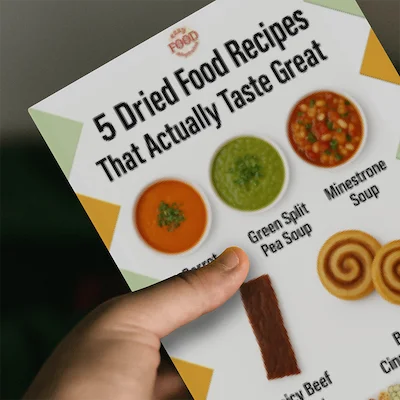
5 Free Dried Food Recipes
That Actually Taste Great
Put your dried food to delicious use!
Five very different recipes.
Not one dull bite...
5 Free Dried Food Recipes
That Actually Taste Great
Put your dried food to delicious use!
Five very different recipes.
Not one dull bite...
More From Easy Food Dehydrating
How to Dehydrate Corn: Frozen, Fresh, or Canned
Learn how to dehydrate frozen, fresh, or canned corn at 140°F, then cool, store, and rehydrate the dried kernels for soups, chowders, and more.
How to Dehydrate Onions: Easy Steps, Drying & Storage
Learn how to dehydrate fresh or frozen onions at 125–135°F, with drying times, doneness checks, airtight storage tips, and homemade onion powder.
How to Dehydrate Garlic: Elephant & Regular Varieties
Learn how to dehydrate regular and elephant garlic into crispy slices, powder, or garlic salt. Includes drying times, storage tips, and easy recipes.
How to Dehydrate Cauliflower for Soups, Sides & Rice
Learn how to dehydrate cauliflower at 125–135°F, including blanching, drying, and storage tips. Perfect for soups, mash, cauliflower rice, and powder.
How to Dehydrate Mushrooms: Temperature, Time & Storage
Learn how to dehydrate mushrooms at 120°F until crisp, with preparation, drying-time, storage, rehydration, and wild-mushroom safety tips.
How to Dehydrate Potatoes: Easy Slicing & Storage Tips
Learn to dehydrate potatoes with easy slicing, blanching, and storage tips for long-lasting, pantry-ready spuds.
Before You Go...
If you enjoyed this page, tap the ❤️ in the lower right-hand corner. It saves this page to your Grow bookmarks so you can find it again later.
You’ll also see quick share buttons to copy the link, post to Facebook, or save it straight to Pinterest.

Test Your Food-Dehydrating
Know-How
Choose a food, make the right preparation, drying, and storage decisions—and see how many stars you can earn!
Play “Save the Harvest”Test Your Food-Dehydrating
Know-How
Choose a food, make the right preparation, drying, and storage decisions—and see how many stars you can earn!
What We Mean by “Dehydrate”
Here at Easy Food Dehydrating, “dehydrate” always means using an electric food dehydrator — the easy, reliable way to dry food at home.
What We Mean by “Dehydrate”
Here at Easy Food Dehydrating, “dehydrate” always means using an electric food dehydrator — the easy, reliable way to dry food at home.


LATEST READS on EFD


-
Pawcute Mason Jar Vacuum Sealer Review + FoodSaver Fix
Nov 03, 26 01:07 PM
 My hands-on Pawcute Mason Jar Vacuum Sealer review, with a video demonstration, FoodSaver V2240 hose workaround, and tips on choosing the manual pump kit.
-
Liver Dog Treats: Healthy Homemade Snacks for Dogs
Nov 03, 26 11:54 AM
 Make homemade liver dog treats with beef or chicken liver. Learn safe cooking temperatures, dehydrating tips, dryness checks, and proper storage.
-
Slow Cooker Beef Stew with Dehydrated Vegetables
Nov 03, 26 10:58 AM
 Make hearty slow cooker beef stew with dehydrated vegetables—no pre-soaking needed! An easy, comforting dinner with tender beef and rich gravy.


Unlock the Secrets of Food Dehydrating... from Fruit 'n' Veg to Doggie Dinners!




AFFILIATE DISCLOSURE: I am an Affiliate for Amazon, and other sellers of quality merchandise. Should you purchase an item through their links, I may receive compensation. The price you pay does not increase. THANKS for your support! Read full disclosure here.
easy FOOD DEHYDRATING: Making food preservation simple since 2010. I show you how to keep your food pantry full, whatever the reason or season!

HOME ARTICLES CONTACT ADVERTISING DISCLOSURE DISCLAIMER FAQ PRIVACY SITEMAP TERMS TESTIMONIALS
ALL CONTENT COPYRIGHT © 2010-2025 • ALL RIGHTS RESERVED REGARDLESS OF LINKS OR ATTRIBUTIONS.
POWERED BY SBI! (SOLO BUILD IT!)
As an Amazon Associate, I earn from qualifying purchases.