- Home
- How to Dehydrate Fruit
- How to Dehydrate Peaches

How to Dehydrate Peaches for Snacks & Recipes

Dehydrating peaches at home is one of the easiest (and tastiest) ways to capture summer flavor for year-round use. Whether you start with fresh, juicy fruit or convenient frozen slices, dried peaches make perfect snacks, boost baked goods, and blend beautifully into smoothies.
✅ Quick Answer: How do you dehydrate peaches at home?
Wash, pit, and slice fresh peaches approximately ¼-inch thick. Dip the slices in lemon-water or an ascorbic acid solution to help prevent browning, then arrange them in a single layer on dehydrator trays. Dry at approximately 135°F until leathery and pliable, with no moisture when cut or squeezed. Drying often takes 6–16 hours, depending on thickness and your dehydrator. Cool completely, condition the dried peaches for 7–10 days, then store in airtight containers in a cool, dark, dry place.
In this guide, I’ll walk you through the simple steps to prepare, dry, and store peaches so you can enjoy their natural sweetness long after peach season ends.
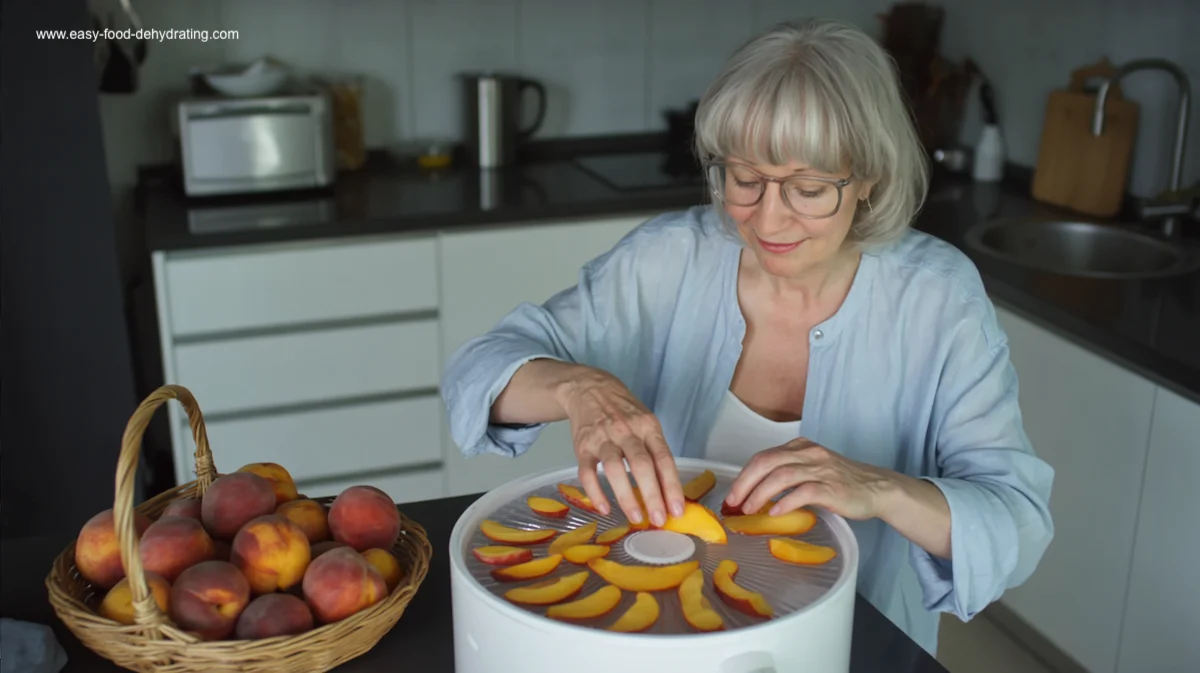
Step-by-Step: How to Dehydrate Peaches
- Prepare your peaches: Wash fresh peaches, remove the pits, and peel if desired. Cut into approximately ¼-inch-thick slices for even drying. Peach halves can also be dried, but they'll take considerably longer.
- Prevent browning: Dip fresh peach slices in lemon-water or an ascorbic acid solution before dehydrating. This helps preserve their color. Drain well before placing them on the trays.
- Arrange on dehydrator trays: Spread the peach slices in a single layer without overlapping. If drying peach halves, arrange them cut-side up.
- Set the temperature and dry: Set your dehydrator to approximately 135°F, or follow your manufacturer's instructions. Dry until the slices are leathery and pliable, with no visible moisture when cut or squeezed.
Move the slider to convert temperatures instantly.
Move the slider to convert temperatures instantly.
- Drying time: Allow approximately 6–16 hours for ¼-inch peach slices, depending on thickness, ripeness, humidity, and your dehydrator. Peach halves can take considerably longer.
- Rotate trays if needed: Rotate your dehydrator trays during drying if your model requires it, and check thicker pieces carefully before removing them.
Using Frozen Peaches Instead?
Frozen peach slices are a handy alternative when fresh peaches aren't in season—and they'll free up some freezer space, too!
Choose unsweetened frozen peaches, thaw just enough to separate the slices, and drain away any excess liquid. Arrange them in a single layer on your dehydrator trays and dry at approximately 135°F until leathery and pliable, with no visible moisture inside.
Drying times may vary depending on how much moisture the peaches contain.
Want Sweeter Peaches? Here's How!
If you prefer sweeter dried peaches, try syrup blanching before dehydrating. It's optional, but it gives the finished peaches a sweeter, slightly candied flavor.
Here's how to syrup-blanch peaches:
- Combine 1 cup of sugar, 1 cup of light corn syrup, and 2 cups of water in a saucepan.
- Bring the mixture to a boil, then add up to 2 pounds of prepared peach slices.
- Simmer gently for approximately 3–5 minutes.
- Remove from the heat and let the peaches cool in the syrup for up to 30 minutes if you prefer a sweeter result.
- Drain thoroughly, arrange the slices on dehydrator trays, and dry at approximately 135°F until leathery and pliable, with no visible moisture inside.
Tip: Syrup-blanched peaches may take longer to dry and can remain slightly tacky because of the added sugar. Check that they're thoroughly dried before conditioning and storing.
Quick Reference: Syrup-Blanching Times for Stone Fruits
| Fruit | Syrup Blanch Time | Notes |
|---|---|---|
| Peaches | 3–5 minutes | Skins loosen; flesh stays intact |
| Plums | 1–2 minutes | Skins crack quickly |
| Apricots | 3–4 minutes | Enough to soften skins, avoid mush |
Recommended blanch times for peaches, plums, and apricots.
How to Condition and Store Dehydrated Peaches
Unlike most dried vegetables, dehydrated peaches should be conditioned before long-term storage. This helps distribute any remaining moisture evenly and reduces the risk of mold developing in storage.
- Cool completely: Allow your dehydrated peaches to cool to room temperature before packing them. Warm fruit can create condensation inside a sealed container.
- Condition for 7–10 days: Loosely fill a clean, dry glass jar with the cooled peaches, seal it, and shake the jar once a day to redistribute moisture.
- Check for condensation: Inspect the jar daily. If you see moisture collecting inside, return the peaches to the dehydrator for additional drying. If you notice mold, discard the affected batch.
- Pack for storage: Once conditioned, transfer the peaches into airtight Mason jars, vacuum-sealed bags, or suitable food-storage containers.
- Store somewhere cool, dark, and dry: Keep your peaches away from sunlight, heat, and humidity. Check occasionally for condensation or signs of spoilage.
How long do dehydrated peaches last? For best quality, aim to use properly dried and stored peaches within 6–12 months. Vacuum sealing can help protect them from air and moisture, but it doesn't replace thorough drying and conditioning.
For more storage tips, see my guide to storing dehydrated food.
Smart Ways to Use Dehydrated Peaches in Everyday Recipes
Dehydrated peaches make a delicious snack straight from the jar. You can also chop them into oatmeal, cereals, muffins, and other baked goods.
To rehydrate dried peaches, cover them with warm water and soak for approximately 30 minutes, or until they've softened to your liking. Thicker pieces may take longer.
Learn more about rehydrating dehydrated food here.
Homemade Peach Cobbler Anytime of the Year
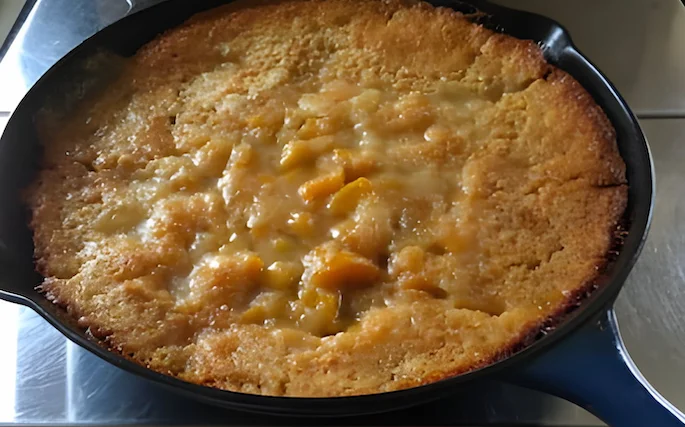
Fancy a homemade peach cobbler? This easy Peach Cobbler recipe comes courtesy of Allrecipes.com.
You can rehydrate your dried peaches before using them in a cobbler, adjusting the liquid and cooking time as needed.
And there's no need to wait for peach season to enjoy a delicious peach cobbler!
Refreshing Peach Smoothie in Minutes

Enjoy a refreshing homemade peach smoothie! Fresh peaches work beautifully, but you can also use dehydrated peaches that have been rehydrated and softened.
Here's what you'll need:
- 1 banana, peeled
- 1 fresh peach, washed and pitted (or an equivalent portion of softened, rehydrated peaches)
- 1 cup Silk Light Vanilla Soy Milk
- A handful of ice cubes, if you like your smoothie extra cold
Blend everything together until smooth and enjoy!
Where Peach Trees Thrive Best
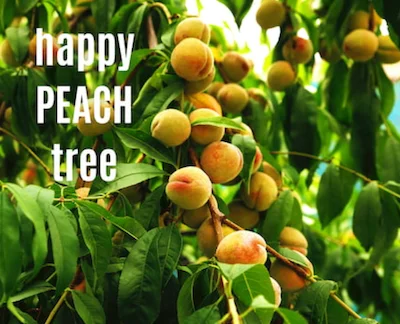
Peach trees grow best in a sunny location with well-drained soil. Aim for at least 6–8 hours of direct sunlight daily.
When planting, allow enough room for the mature tree. Spacing depends on the variety and rootstock, so check the nursery's recommendations rather than assuming every peach tree needs the same amount of space.
Plant your peach tree at the recommended depth, keeping the graft union above the soil if it's a grafted tree. Choose a variety suited to your climate, since different peach trees need different amounts of winter chilling to produce fruit reliably.
Fun Story: The “Hidden” Georgia Peaches
A few years ago, my husband and I and my mom went to visit Paula Deen's restaurant in Savannah, Georgia. As we toured Georgia, we did NOT see one "Georgia Peaches for Sale" sign.
It was only on our way home when we drove through the Florida panhandle that we finally saw a "Georgia Peaches for Sale" sign!
Do you think the folk in Georgia know they're so good and they were hiding them from us? :-)
Peach Dehydrating FAQs: Your Top Questions Answered
Do peaches need to be peeled before dehydrating?
Do peaches need to be peeled before dehydrating?
No, peeling is optional. Leaving the skins on saves preparation time, while peeling gives dried peaches a smoother texture.
How do I know when my dehydrated peaches are done?
How do I know when my dehydrated peaches are done?
They should feel leathery and pliable, with no visible moisture when cut or squeezed. Let a piece cool before checking, since warm fruit can feel softer than it really is.
Do dehydrated peaches need conditioning?
Do dehydrated peaches need conditioning?
Yes, conditioning is recommended. Once the peaches have cooled completely, loosely fill a clean, dry glass jar and seal it. Shake the jar daily for 7–10 days to distribute any remaining moisture evenly. If condensation appears, return the peaches to the dehydrator. Discard any fruit that develops mold.
What's the best way to store dehydrated peaches long-term?
What's the best way to store dehydrated peaches long-term?
After conditioning, transfer the peaches to clean, airtight jars or suitable moisture-resistant storage bags. Keep them in a cool, dark, dry place. For best quality, aim to use them within 6–12 months, checking occasionally for moisture or spoilage.
Can I dehydrate frozen peaches without thawing?
Can I dehydrate frozen peaches without thawing?
Yes. You can dehydrate frozen peach slices, although thawing them just enough to separate the pieces and draining excess liquid can help them dry more evenly. Follow the same temperature and dryness checks as fresh peaches.
Can you make peach fruit leather?
Can you make peach fruit leather?
Absolutely! Peaches work beautifully in homemade fruit leather. Check out my fruit leather (AKA roll-ups) guide for preparation and drying tips.
How should I store fresh peaches before dehydrating?
How should I store fresh peaches before dehydrating?
Let firm, unripe peaches ripen at room temperature. Once ripe, refrigerate them and use them within a few days, or freeze prepared slices for dehydrating later.
Thanks for joining me to learn how to dehydrate peaches! Once you’ve tried them in snacks, cobblers, or smoothies, you’ll want more tasty ways to use your dried fruit.
That’s why I’ve put together my free 5 Dried Food Recipes That Actually Taste Great PDF below—featuring family favorites like carrot soup, minestrone, split pea, spicy beef jerky, and even banana cinnamon rolls.

5 Free Dried Food Recipes
That Actually Taste Great
Put your dried food to delicious use!
Five very different recipes.
Not one dull bite...
5 Free Dried Food Recipes
That Actually Taste Great
Put your dried food to delicious use!
Five very different recipes.
Not one dull bite...
More From Easy Food Dehydrating
How to Dehydrate Fruit Rolls: Easy Fruit Leather Guide
Make fruit rolls with fresh, frozen, or canned fruit. Dry at 135–140°F for chewy, kid-approved leathers.
How to Dehydrate Berries (Blueberries & Cranberries)
Learn how to dehydrate blueberries and cranberries at 135°F, with fresh and frozen berry prep, drying times, doneness tests, conditioning, and storage tips.
How to Dehydrate Strawberries for Snacks and Smoothies
How to dehydrate strawberries for snacks, cereals, and smoothies, with step-by-step preparation, drying, and storage tips.
Dehydrate Apples for Snacks and Pantry Storage
Learn how to dehydrate apples in a food dehydrator: prevent browning, dry at 125–135°F, test for doneness, and store them for snacks, pies, and more.
How to Dehydrate Plums for Prunes and Snacks
Learn how to dehydrate plums at 135°F for chewy prunes or crisp chips, with preparation, drying times, doneness tests, conditioning, and storage.
How to Dehydrate Mango: Easy Steps for Tasty Dried Fruit
Learn how to dehydrate mango at 135°F with easy slicing, drying, conditioning, and storage tips. Make sweet, chewy dried mango at home!
Before You Go...
If you enjoyed this page, tap the ❤️ in the lower right-hand corner. It saves this page to your Grow bookmarks so you can find it again later.
You’ll also see quick share buttons to copy the link, post to Facebook, or save it straight to Pinterest.

Test Your Food-Dehydrating
Know-How
Choose a food, make the right preparation, drying, and storage decisions—and see how many stars you can earn!
Play “Save the Harvest”Test Your Food-Dehydrating
Know-How
Choose a food, make the right preparation, drying, and storage decisions—and see how many stars you can earn!
What We Mean by “Dehydrate”
Here at Easy Food Dehydrating, “dehydrate” always means using an electric food dehydrator — the easy, reliable way to dry food at home.
What We Mean by “Dehydrate”
Here at Easy Food Dehydrating, “dehydrate” always means using an electric food dehydrator — the easy, reliable way to dry food at home.


LATEST READS on EFD


-
Pawcute Mason Jar Vacuum Sealer Review + FoodSaver Fix
Nov 03, 26 01:07 PM
 My hands-on Pawcute Mason Jar Vacuum Sealer review, with a video demonstration, FoodSaver V2240 hose workaround, and tips on choosing the manual pump kit.
-
Liver Dog Treats: Healthy Homemade Snacks for Dogs
Nov 03, 26 11:54 AM
 Make homemade liver dog treats with beef or chicken liver. Learn safe cooking temperatures, dehydrating tips, dryness checks, and proper storage.
-
Slow Cooker Beef Stew with Dehydrated Vegetables
Nov 03, 26 10:58 AM
 Make hearty slow cooker beef stew with dehydrated vegetables—no pre-soaking needed! An easy, comforting dinner with tender beef and rich gravy.


Unlock the Secrets of Food Dehydrating... from Fruit 'n' Veg to Doggie Dinners!




AFFILIATE DISCLOSURE: I am an Affiliate for Amazon, and other sellers of quality merchandise. Should you purchase an item through their links, I may receive compensation. The price you pay does not increase. THANKS for your support! Read full disclosure here.
easy FOOD DEHYDRATING: Making food preservation simple since 2010. I show you how to keep your food pantry full, whatever the reason or season!

HOME ARTICLES CONTACT ADVERTISING DISCLOSURE DISCLAIMER FAQ PRIVACY SITEMAP TERMS TESTIMONIALS
ALL CONTENT COPYRIGHT © 2010-2025 • ALL RIGHTS RESERVED REGARDLESS OF LINKS OR ATTRIBUTIONS.
POWERED BY SBI! (SOLO BUILD IT!)
As an Amazon Associate, I earn from qualifying purchases.